The Importance of Education
L. C. Atencio’s works can be found at Harvard University, Yale University, University of Rochester, University at Buffalo, Indiana Wesleyan University, Front Range Community College, University of Central Florida, Southwestern Oklahoma State University, Central Michigan University, Keene State College, NY University, University of California, Los Angeles, Princeton University, Cornell University, Bevill State Community College, Darton State College, Blue Ridge Community College, Tidewater Community College, Dakota County Technical College, Valencia College, Jackson Community College, Centralia College, Pearl River Community College, Hinds Community College, Columbus State Community College, Wheaton College, Seminole State College of Florida, Southeastern Community College, Northeast State Community College, Southeast Kentucky Community & Technical College, USC Lancaster, Shawnee State University, Aquinas College, Nashville State Community College, Ohio University, Sinclair Community College, Clark State College, York Technical College, University of North Georgia, Dalton State College, Georgia State University, Atlanta Metropolitan State College, Gordon State College, Williamsburg Technical College, Maysville Community and Technical College, Gadsden State Community College, Calhoun Community College, West Virginia University at Parkersburg, Central Alabama Community College, Edgecombe Community College, Halifax Community College, Owensboro Community and Technical College, Albany State University, Madisonville Community College, Sinclair Community College, South Georgia State College, Roanoke-Chowan Community College, Belmont College, Valdosta State University, Ivy Tech Community College, Laurel Ridge Community College, University of Indianapolis, Wabash Valley College, West Kentucky Community & Technical College, Marian University, Frontier Community College, Olney Central College, Mississippi State University, John A. Logan College, East Mississippi Community College, Anne Arundel Community College, St. Johns River State College, Northwest Florida State College, Washtenaw Community College, Wayne County Community College, Arkansas State University, Rosemont College, Kellogg Community College, Jamestown Community College, Kalamazoo Valley Community College, Oakland Community College, Pasco-Hernando State College, Hinds Community College, Saint Clair County Community College, Manor College, Polk State College, Bucks County Community College, Hillsborough College, Luzerne County Community College, University of Arkansas, Kishwaukee College, Raritan Valley Community College, Keystone College, South Florida State College, Muskegon Community College, John Wood Community College, Indian River State College, Hudson County Community College, Berkeley College, Crowder College, Hudson Valley Community College, Des Moines Area Community College, Bay College Library, Landmark College, Bristol Community College, North Iowa Area Community College, Lakeland College, Marshall University, Cape Cod Community College, North Shore Community College, Dallas College, Rose State College, San Jacinto College, University of Southern Maine, Lone Star College, South Central College, White Mountains Community College, Anoka-Ramsey Community College, Minnesota West Community & Technical College, Minnesota North College, San Antonio College, Pueblo Community College, Eastern New Mexico University, Utah State University, Spokane Falls Community College, Columbia Basin College, Folsom Lake College, The New Mexico State University and others.
Leandro Atencio
L. C. Atencio Studios
February 16, 2016
The Importance of Education
In life, we are often presented a few times with the severity and reality of how important education is to one’s life. The conversation is often held by parents with their kids or by vocational counselors with growing young adults, but the truth of the matter is that we all need to have this conversation at least once in our lives — and many people aren’t even getting it once.
I want to take the time to speak with you about the importance of education and how much it matters, even to us artists. Nowadays, people talk badly of higher education, citing that they don’t want to get in debt nor be challenged (or go through the trouble), at times pointing out that even with higher education, there are no guarantees of a higher income and that often times people will get paid the same as the people without the education. Living and working in the real world, day in and day out to make a living, quickly makes one realize one very important thing: Education matters because education means more opportunities. The more opportunities one gets, the higher one’s chance is of being successful.
You might contend that very famous and recognized artists, such as Ray Bradbury, Mark Twain, Agatha Christie, Maya Angelou, and other famous artists who never attended college, are living proof that a college education is not important to be successful, but what you are failing to see is that artists like the ones just mentioned are the exception and not the norm. Think of it as buying a lottery ticket. These artists got lucky to have had a large series of events arranged in their lives in such a way that enabled their artistic works to become successful, but there was a much higher likelihood that due to their lack of higher education, they could not have amounted to the level of success they ended up with. What we are talking about here is possibilities — and possibilities mean everything to a working artist in the art industry.
Let’s talk for a moment about the likelihood of getting an artistic work published or exhibited. Statistics confirm that less than 1% of artists who submit their work to have it published, exhibited, or professionally represented succeed in this endeavor. Is that to say that the other 99% of artists did bad artistic work? Not necessarily. It just means that only 1% made some kind of powerful, emotional connection with the reader or viewer who was reviewing what is often considered the “slush pile,” rendering the artists’ eventual success. People who work in art galleries, museums, publishing houses, and university press houses are often times people who are highly educated. If your education can match the education of your reviewer, your opportunities of making a connection go up. But there is a lot more to it than just higher education.
Talent, dedication, and belief in oneself are the cornerstones of any artistic endeavor. Education helps us as artists to hone our skills, to understand things better, to network in our industry, to understand the landscape (as well as our place in it), and to learn our artistic profession inside and out (from its historical origin all the way up to its most modern application). There is great power that comes with education, knowledge that allows you not only to sell your work in a room filled with spectators but also to speak with grace and good etiquette, being an ambassador for good causes, one of them being your art.
Following rubrics, showing up to college classes on time, being respectful with fellow students, and learning from one another are lessons that streamline our often-adult minds, which help us be organized and purposeful in our actions. Having a clear mind is key to becoming a successful artist. The image of drunk artists making masterpieces is a myth and a romanticized notion of making art, which is not only untrue but also harmful. The goal of not just an artist but of the “working artist” is to be in the 1%, to be selected, to be hired, and to be given the means by which to continue to make more art. Unlike common conception, art is a profession, although some people only see it as a hobby. For those of us who treat art as our livelihood, art is the vocation on which we hang our lives. Everything depends on it, so we value it.
Some artists speak of how ideas just came to them, like an idea that comes while riding a train or deep in sleep (coming as a dream), and although ideas can come sporadically at any time, ideas alone are not enough to be successful. People have argued with me that they feel I am telling them that they must get educated to become artists, but that is not my opinion. I believe that artists are born as artists. As artists, we make art because we need to make art just as much as we need to breathe. We don’t need anyone to tell us that we are artists, nor to adorn us with certificates or diplomas to corroborate that we are artists; however, what college education does is it gives us more skills and knowledge that we can turn around and use to the benefit of our artistic careers. Success doesn’t come because someone tells you what to do. Success comes as a combination of many factors, most of which include a strong work ethic, hard work, and making many sacrifices.
It is our position as artists to be the voices of our society. At times, we think selfishly and simply make the art that feels right; at others, we feel an obligation to do better and provide the best possible experience to our audience. What matters most is to make art honestly, because honesty is the only way that the art will actually come through all the way out to where it can be perceived…and hopefully appreciated and liked.
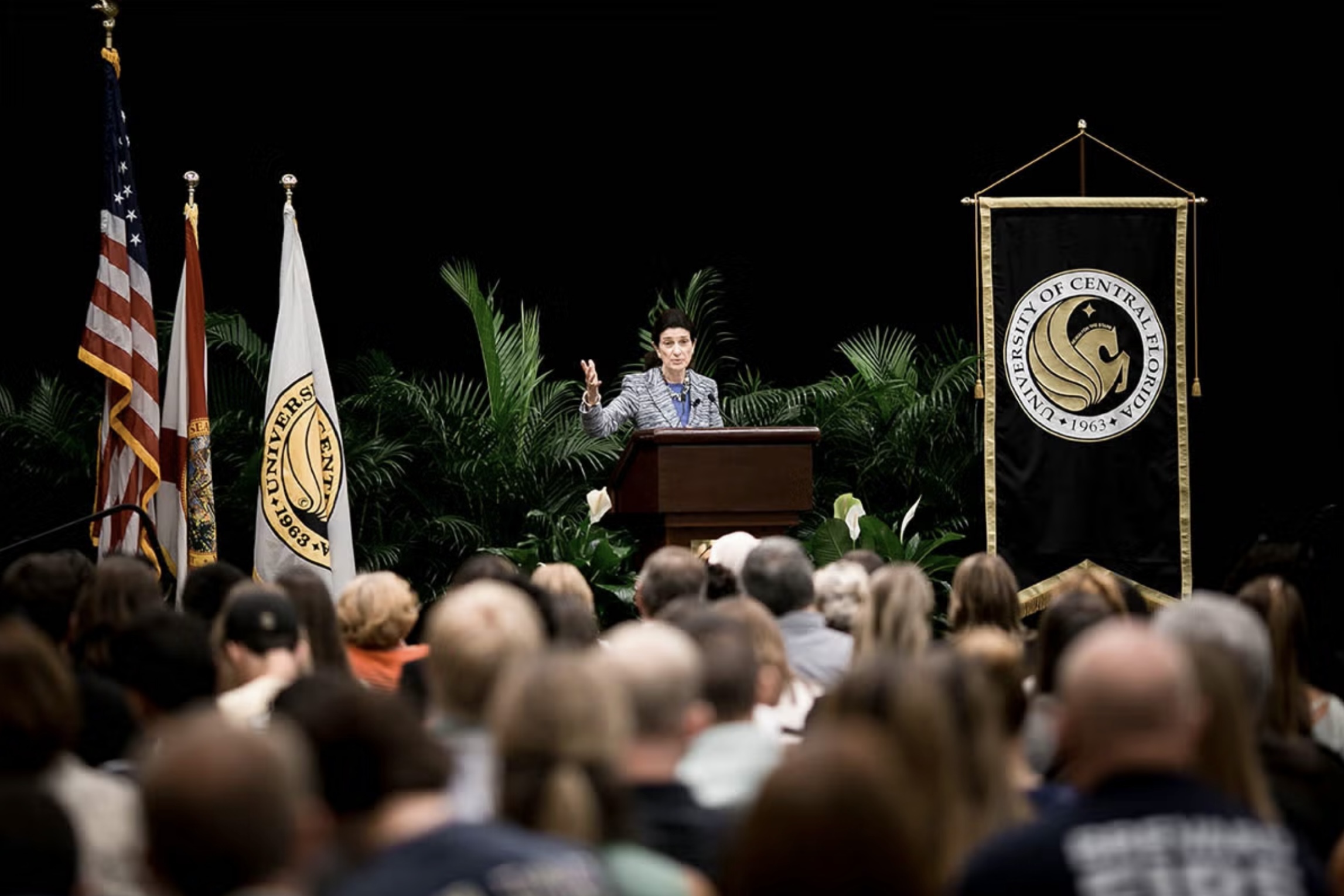
Most people don’t realize that as artists we are often discouraged, criticized, or disregarded, and life can seem very bleak at times, but what education does for us is it gives us a tangible platform to stand on, something to back us up in portfolios and curricula vitae, as we strive to make a living through our artworks. If you have been doubting or questioning whether you should get a college education, I urge you to take my words as a sign of your potential growth. I graduated from the University of Central Florida with a bachelor's degree in the arts field, and my life has been greatly enriched by it. You might say that you prefer to study at libraries or outside of structured educational settings, and there is nothing wrong with learning outside of college, but street knowledge (although helpful in practice) will not open as many work opportunities as a college education would.
The matter of fact is that nowadays people speak very badly of higher education because of all the challenges it presents to a person’s life, but I would say that if you pursue your passion wholeheartedly, education is as important as the water you drink. Education is essential. Education is eye-opening. Education is the key.